
Automatic wire drawing machine manufacturer
The Importance of Automatic Wire Drawing Machines
Automatic wire drawing machines play a crucial role in the metal wire manufacturing industry, enabling the production of high-quality wire with consistent diameter and tensile strength. These machines are designed to draw metal rods through a series of dies, gradually reducing the diameter while increasing the length of the wire. This process not only enhances the physical properties of the wire but also ensures that it meets the stringent specifications required for various applications.
With advancements in technology, modern automatic wire drawing machines incorporate advanced features such as programmable logic controllers (PLCs) and touch-screen interfaces. These innovations allow for greater control over the drawing process, improving efficiency and minimizing material waste. Manufacturers can fine-tune parameters such as speed and tension, resulting in a more precise and reliable production process.
Key Features of Automatic Wire Drawing Machines
One of the standout features of automatic wire drawing machines is their ability to operate continuously with minimal human intervention. This automation leads to significant reductions in labor costs and helps manufacturers meet high demand without sacrificing quality. Additionally, many machines come equipped with real-time monitoring systems that provide immediate feedback on the drawing process, allowing for quick adjustments and ensuring optimal performance.
Another critical feature is the versatility of these machines. They can draw a variety of materials, including copper, aluminum, and stainless steel, making them essential for manufacturers in different sectors, from automotive to electronics. The adaptability of automatic wire drawing machines enables manufacturers to quickly switch between different wire types and sizes, accommodating the ever-changing needs of the market.
Choosing the Right Manufacturer
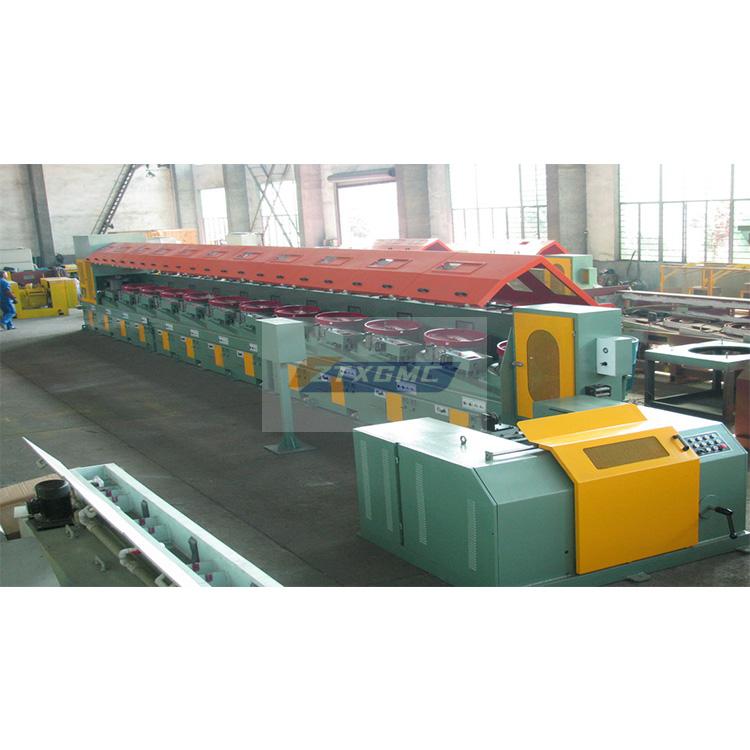
Selecting the right manufacturer for automatic wire drawing machines is vital to achieving operational excellence. It is important to consider factors such as the manufacturer’s experience, reputation, and the level of technical support they offer. An experienced manufacturer can provide valuable insights into optimizing the drawing process and suggest best practices based on years of industry knowledge.
Additionally, potential buyers should evaluate the customization options available. A reputable manufacturer will work closely with clients to understand their specific needs and tailor machines accordingly. This collaboration can result in enhanced productivity and efficiency, as well as improved product quality, ultimately leading to a better return on investment.


